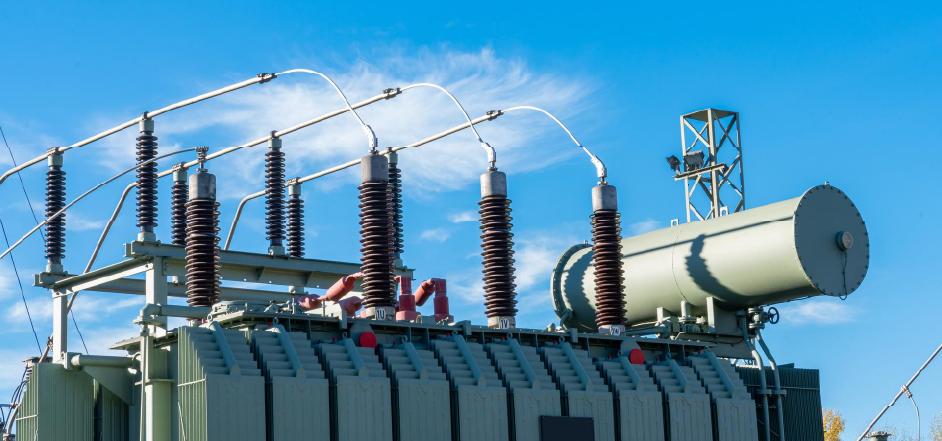
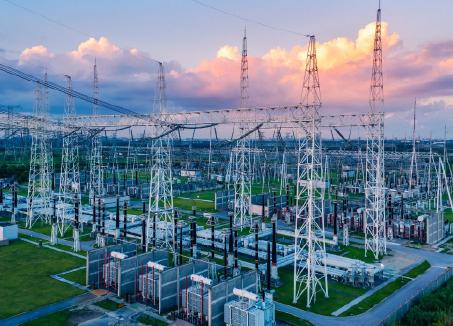
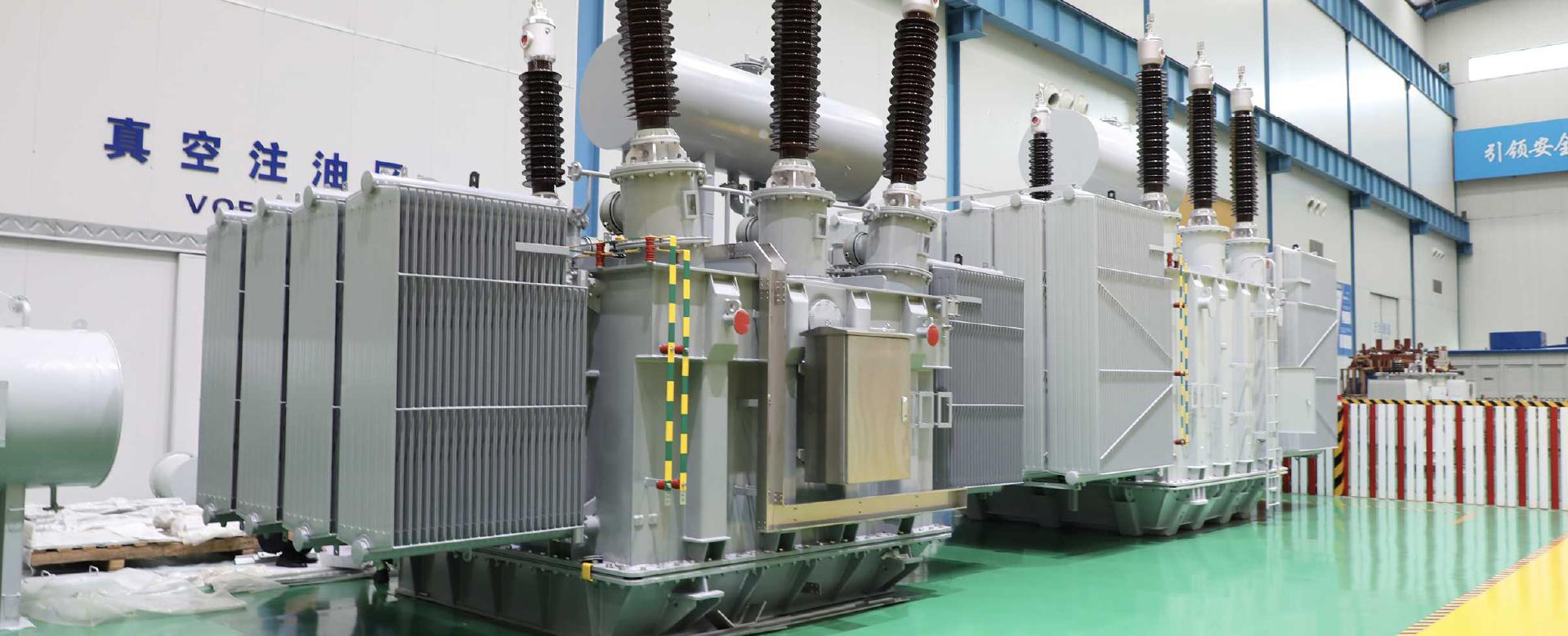
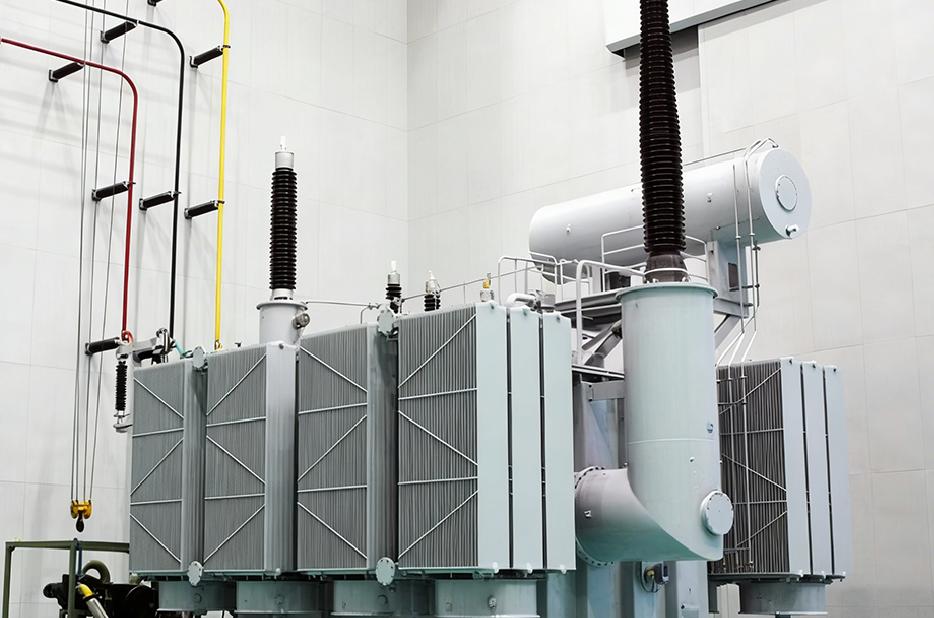
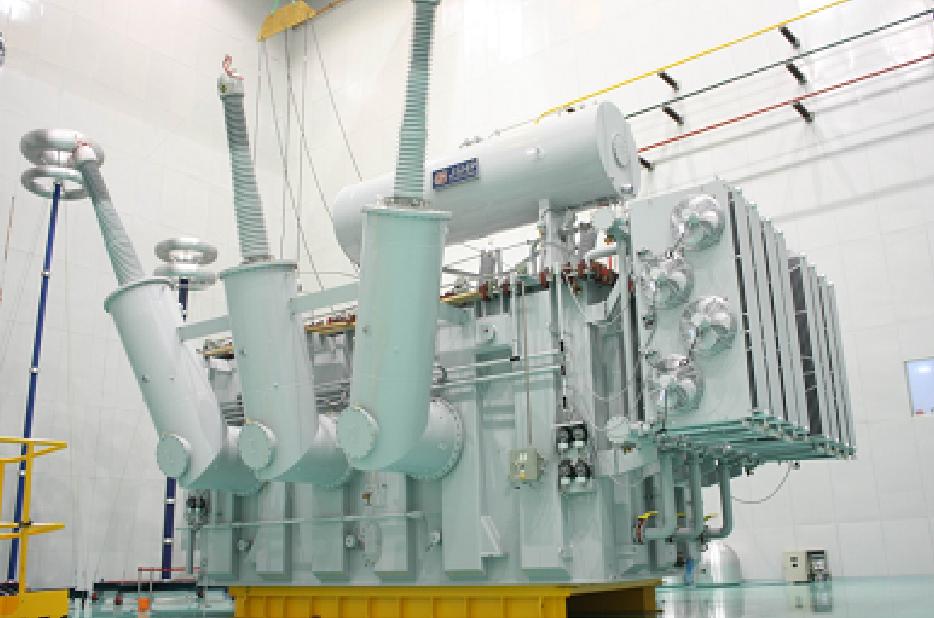
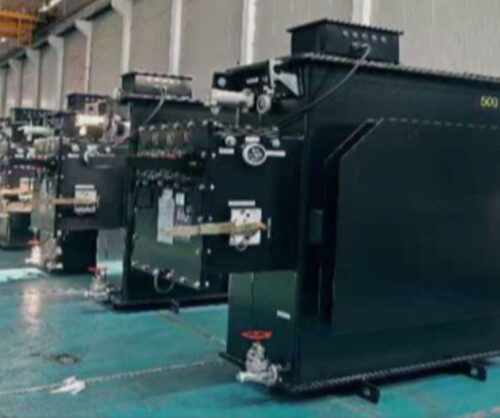
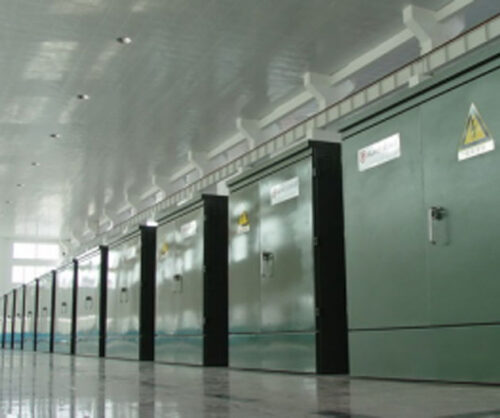
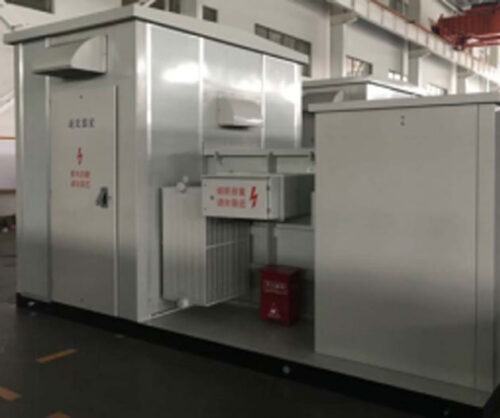
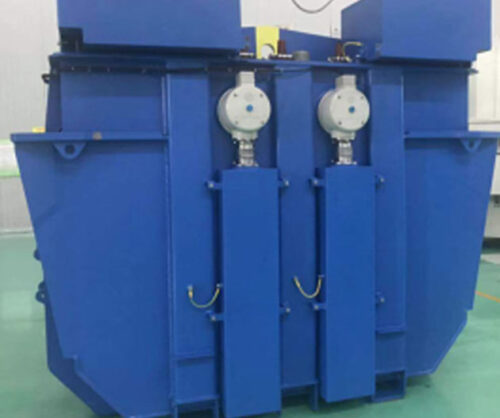
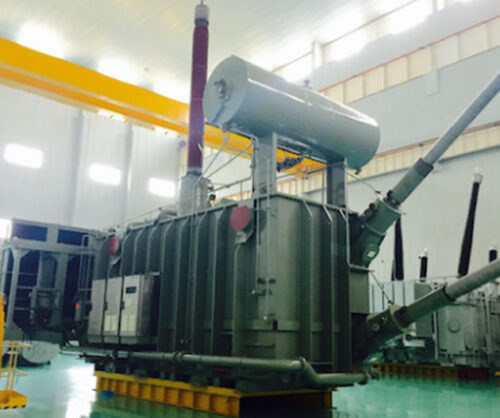
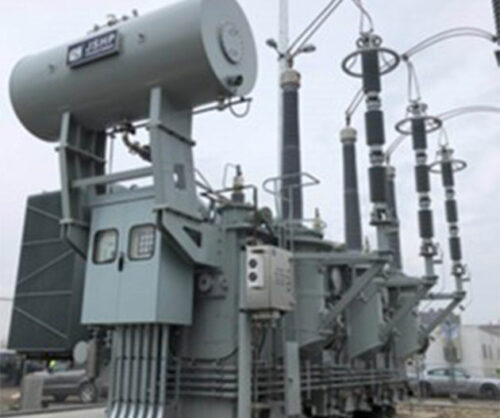
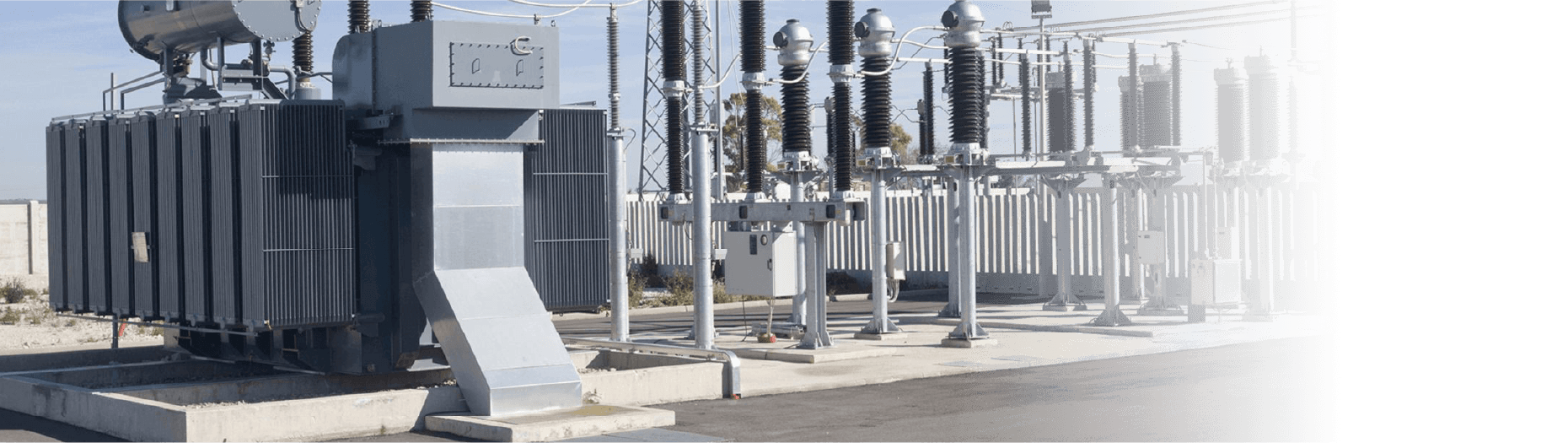
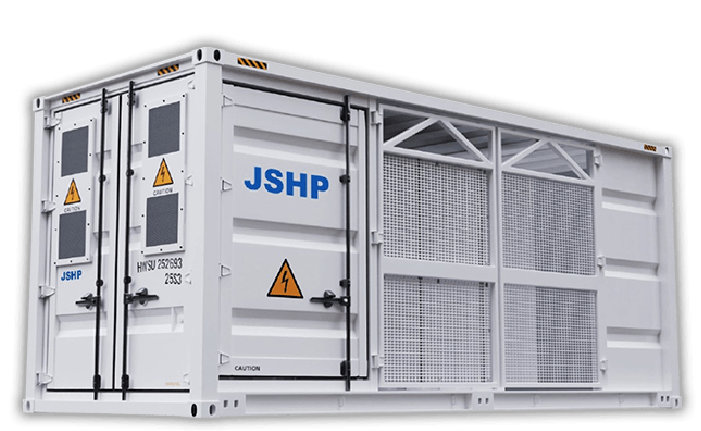
Rectifier transformers are used to power rectifier applications, converting AC to DC for high-current industrial applications like electrolysis, smelting. JSHP designs handle high harmonic currents and uneven, heavy-duty loads.
| Rated voltage | 35kV and below |
| Rated capacity | 50 kVA to 3150 kVA |
| Oil-immersed design | Using high-temperature-resistant oil |
| Insulation system | NOMEX paper insulation |
| Tank design | Wave-shaped tank |
Transformers can increase or decrease the AC voltage as needed. For example, in the process of power transmission, in order to reduce line losses, the voltage is usually raised in the power plant and transmitted to a distant location through high-voltage transmission lines. Then, at the user end, a transformer is used to lower the voltage to an appropriate value for use by the user.
Transformers can achieve electrical isolation between input and output circuits. This means that there is no direct electrical connection between the two circuits, only energy is transmitted through magnetic coupling. This isolation can improve the safety of the system, prevent faults in one circuit from affecting the other, and also help reduce electrical interference.

Transformer Efficiency
Transformers have high efficiency and can effectively transfer energy between input and output. Generally speaking, the efficiency of transformers can reach over 95% or even higher. This is because transformers mainly rely on electromagnetic induction to work, without mechanical moving parts, reducing energy loss.
Transformers come in various types and specifications to meet different application needs.
Different types of transformers vary in structure, performance, and applicable scenarios.
Montius nos tumore inusitato quodam et novo ut rebellis et maiestati recalcitrantes Augustae per haec quae strepit incusat iratus nimirum quod contumacem praefectum, quid rerum ordo postulat ignorare dissimulantem formidine tenus iusserim custodiri.